Considering multi-country recalls of infant formula products following the detection of cereulide, a toxin produced by some strains of Bacillus cereus, the European Food Safety Authority (EFSA) established the acute reference dose for cereulide in infants. On the basis of infant formula consumption, the EFSA also defined the cereulide concentrations in infant formula of potential safety concern. These data will help EU risk managers determine when products should be withdrawn from the market as precautionary health measure.

The 2025 edition of The State of Food Security and Nutrition in the World presents the situation with regard to key food security and nutrition indicators based on the latest available data, and also calls for global coordination and well-targeted, evidence-based, and country-led actions.

The 23rd International Nutrition Congress of the International Union of Nutrition Sciences (IUNS) was held in Paris from August 24 to 29, 2025. It was organized with the support of the French Nutrition Society (SFN) and the French Nutrition Federation, with the main theme of Sustainable Nutrition for Global Health. The fundamental, clinical, epidemiological, and social aspects of nutrition were addressed during symposia, lectures, oral presentations, and e-posters. Associations from different continents were represented and organized specific symposia.
The European Commission requested the EFSA to update the framework for Tolerable Upper Intake Level (UL) assessment and the current ULs for some vitamins and minerals. When it was not possible to establish an UL, the Commission requested the ESA to determine the safe level which is an indication on the highest level of intake for which there is a reasonable confidence on the absence of adverse effects. Consequently, the EFSA published until 2024 the guidance for establishing and applying tolerable upper intake levels for vitamins and essential minerals and the scientific opinions on the tolerable upper intake for preformed vitamin A and bêta-carotene, for vitamin E, for vitamin D, and some essential minerals such as iron, manganese, selenium
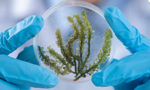
The use of algae biomass in foods is a growing market in Europe. On February 2024,a list of more than 20 new algae species has been added to the Novel Food catalogue. When there is the evidence of a traditional use of algae in any EU Member State before 15 May 1997, their use as foods and food supplements is not considered as novel and is not subject to a long and costly pre-market approval procedure according to the Novel Food Regulation. A list of around 50 algae species considered as not novel is now available in the EU Novel Food catalogue.
Conformément à l’article 31 du règlement (CE) n° 178/2002, la Commission européenne a demandé à l’EFSA d’évaluer si les données de deux nouvelles publications scientifiques présentées par la Société italienne de toxicologie étaient suffisantes pour réviser leurs conclusions sur la sécurité des dérivés d’hydroxyanthracène dans les aliments.
On 28 June 2022, a webinar information session was held to present the recently published EFSA “Statement on safety of cannabidiol as a novel food: data gaps and uncertainties” to stakeholders.

L’Anses dans cette expertise de Juin 2020 fait tout d’abord un état des lieux de l’utilisation des nanomatériaux manufacturés dans l’alimentation. Pour
L’EFSA a payday 2 cheats lancé paydayloansusca une payday 2 consultation publique payday loans sur sa proposition de ez internet payday system



 Français