Considering multi-country recalls of infant formula products following the detection of cereulide, a toxin produced by some strains of Bacillus cereus, the European Food Safety Authority (EFSA) established the acute reference dose for cereulide in infants. On the basis of infant formula consumption, the EFSA also defined the cereulide concentrations in infant formula of potential safety concern. These data will help EU risk managers determine when products should be withdrawn from the market as precautionary health measure.

In March 2025, Anses issued a warning strongly advising against the consumption of dietary supplements containing the plant Garcinia cambogia Dsr. or preparations based on Garcinia cambogia due to the risks of severe adverse effects associated with its consumption. The decree of April 17, 2025, suspends in France for one year the importation, introduction, and marketing, whether for a fee or free of charge, of dietary supplements containing the plant Garcinia cambogia Desr and all preparations derived from this plant.
The European Commission requested the EFSA to update the framework for Tolerable Upper Intake Level (UL) assessment and the current ULs for some vitamins and minerals. When it was not possible to establish an UL, the Commission requested the ESA to determine the safe level which is an indication on the highest level of intake for which there is a reasonable confidence on the absence of adverse effects. Consequently, the EFSA published until 2024 the guidance for establishing and applying tolerable upper intake levels for vitamins and essential minerals and the scientific opinions on the tolerable upper intake for preformed vitamin A and bêta-carotene, for vitamin E, for vitamin D, and some essential minerals such as iron, manganese, selenium
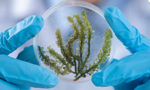
The use of algae biomass in foods is a growing market in Europe. On February 2024,a list of more than 20 new algae species has been added to the Novel Food catalogue. When there is the evidence of a traditional use of algae in any EU Member State before 15 May 1997, their use as foods and food supplements is not considered as novel and is not subject to a long and costly pre-market approval procedure according to the Novel Food Regulation. A list of around 50 algae species considered as not novel is now available in the EU Novel Food catalogue.
On 28 June 2022, a webinar information session was held to present the recently published EFSA “Statement on safety of cannabidiol as a novel food: data gaps and uncertainties” to stakeholders.

In 2016, the European Commission requested EFSA to deliver a scientific opinion on the safety of hydroxyanthracene derivatives in food in accordance



 Français